

Healthy snacking at home often turns into a negotiation: one person wants something sweet, another wants something crunchy, and another just wants something quick to prepare. When you have both young children and adults with different dietary preferences, finding a common denominator can seem like an impossible task. But research shows that choosing the right snack for a family is not only possible, it also has a significant long-term impact on children’s eating habits and the family’s overall health.
Why healthy snacks in the family are important for more than just the children
The family’s eating environment shapes a child’s relationship with food for the long term. A review published by the PMC, which included 83 studies on the impact of parental eating habits on children’s food behaviour, found that parents who eat their own fruit and vegetables and serve as role models are more likely to raise children with better nutritional quality indicators. Conversely, parents who frequently choose unhealthy snacks unknowingly develop similar habits in their children. This means that healthy snacks on the table are not just on the children’s menu – they are a daily signal of what is considered normal at home.
A study of 114 families found that the quality of a child’s diet – the amount of fruit, vegetables and unrefined foods he or she eats – is directly linked to whether parents sit at the table with them and choose healthy snacks. This is not coercion or teaching – it is a simple display effect: children eat what they see every day.
Healthy snacks for children: where the main barrier lies
A 2023 study interviewing 24 family carers about healthy snacks for young children, several common barriers emerged: Convenience, children’s reluctance to try new flavours and environmental pressures. Many parents know that carrots or nuts are better than crisps, but in practice prefer what appeases their children’s demands more quickly. The study highlighted the importance of not only providing nutritional information, but also helping families to find concrete, practical solutions that work in their daily lives.
Another important insight is that too strict a food restriction can be counterproductive. A review of research found that children whose parents strictly prohibit certain foods, tend to eat more of them when access is available. Therefore, a healthy snacking strategy works better in the family not as a system of bans, but as a way of building accessibility and habit – when healthy choices are simply on hand.
What links the criteria for a good snack for all age groups
Regardless of age, a good snack has several things in common: it provides energy without a sudden spike in glucose, it suppresses hunger until the next meal, and it has real nutritional value – not just calories. For children, the snack must be attractive and easy to eat – small, not dirty on the hands, not too bitter or sour tasting. For adults, priorities may differ, but the basic formula remains the same: protein and fibre to keep hunger at bay, and ingredients of natural origin, without excess sugar and artificial additives.
Nuts, dried berries and fruit, and vegetable balls without added sugar are a category that naturally meets these criteria for all age groups. The difference between a child and an adult is usually not in the typology of the product. Still, in the size of the portion and the richness of the flavour, a child may prefer a milder, less pungent or sour version, while an adult may prefer a richer one.

Sotukai – when one snack fits all
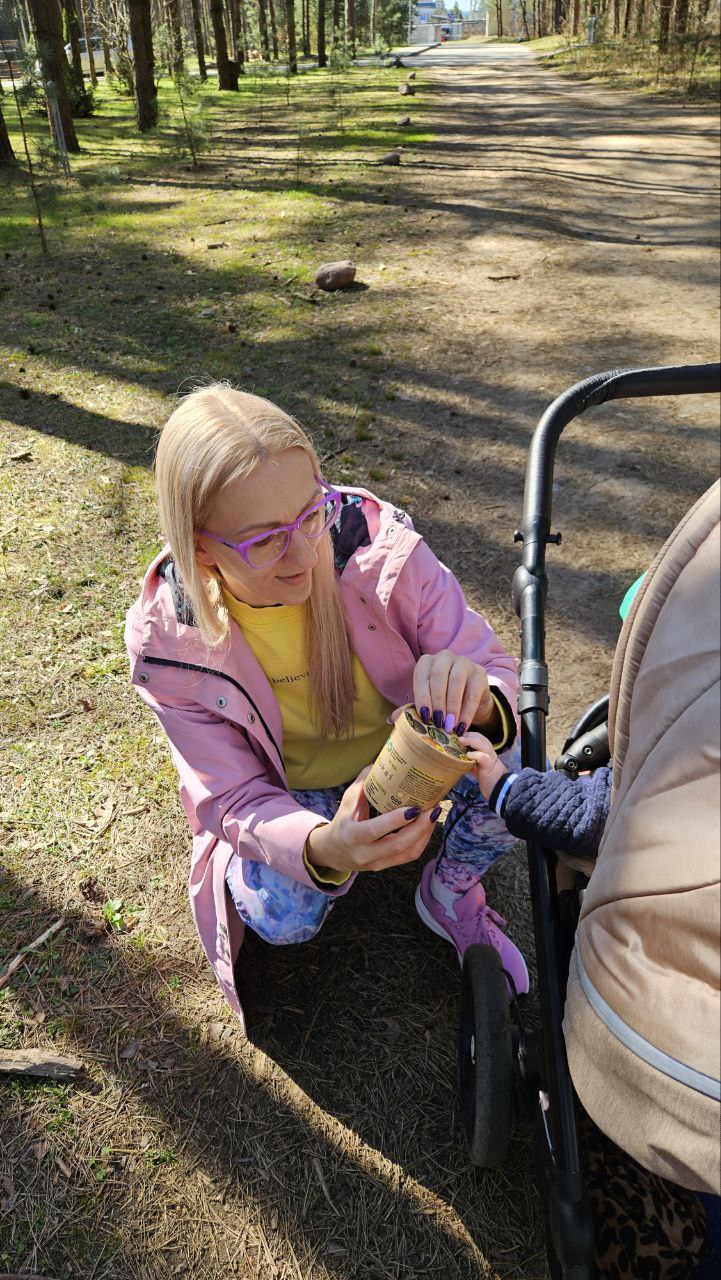
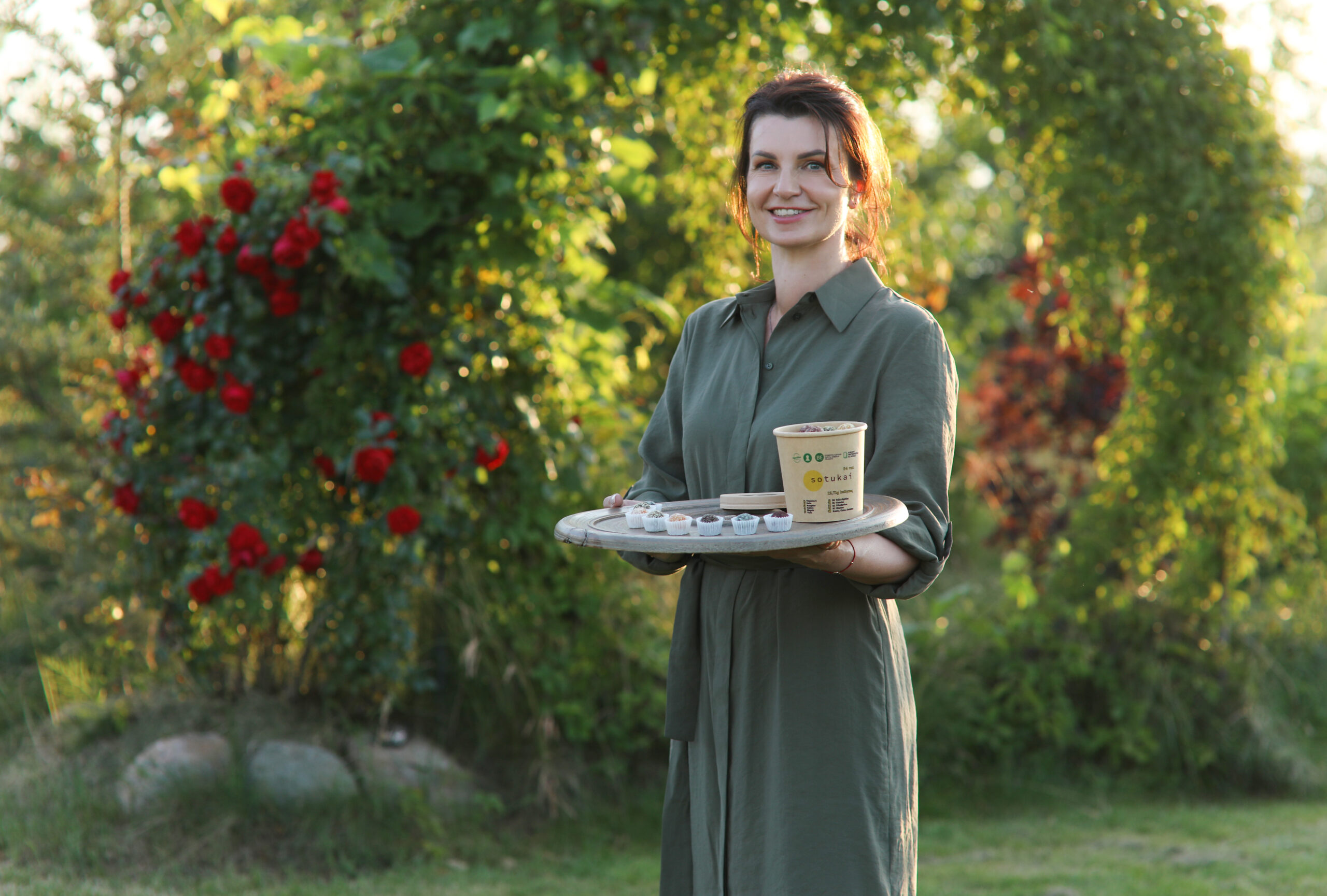
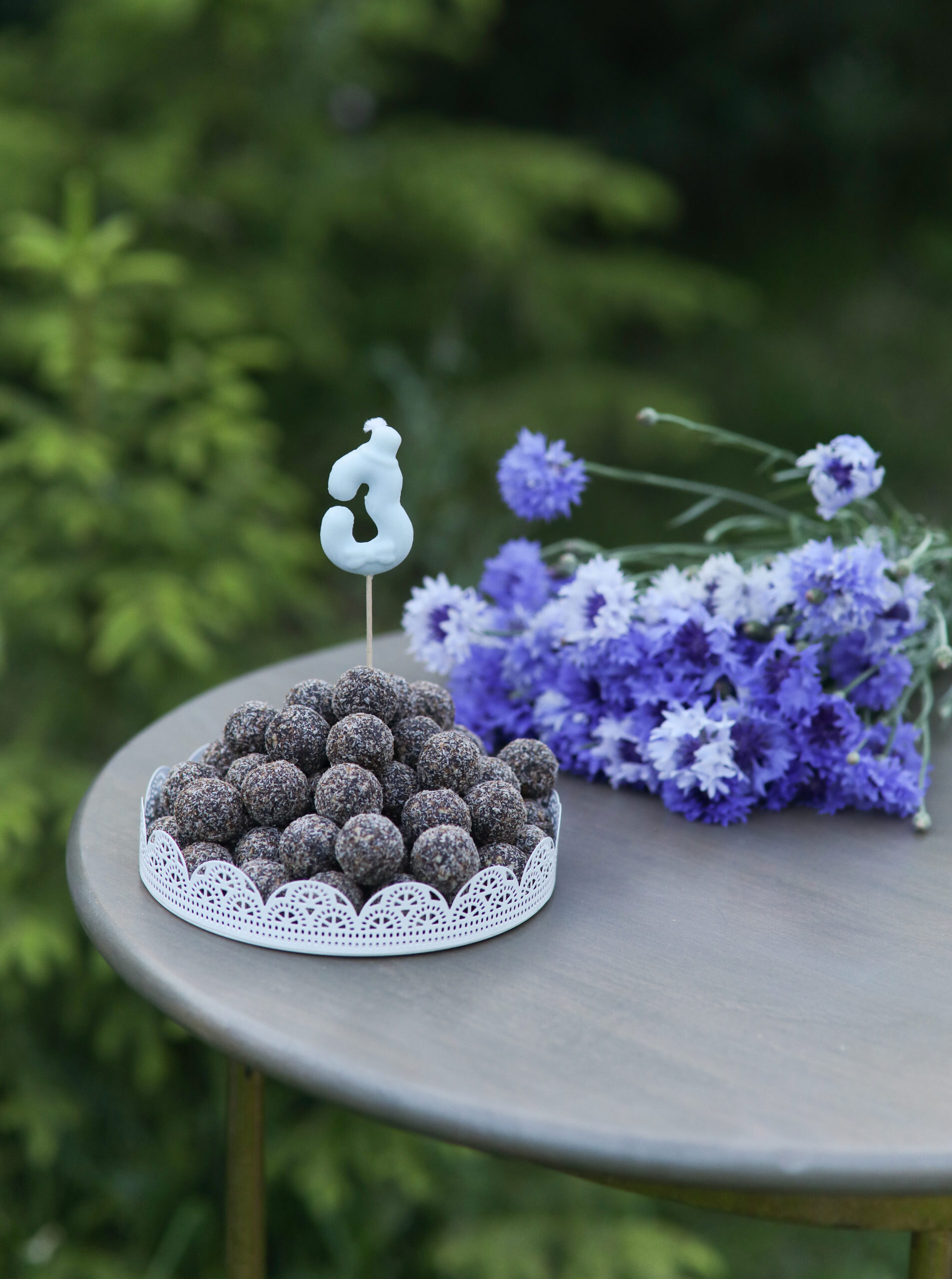
One of the rare cases where a snack is truly suitable for a child, an adult, and a grandparent is plant-based balls with a natural composition, free from added sugar and gluten. The Sotukai line has several variants that differ in basic taste, but all follow the same principle: sweetness from Medjool dates or apricots, nutritional value from almonds, cashews, or hemp seeds, and additional benefits from baobab, mache, sea buckthorn, or other superfood ingredients.
Wisteria in apricots – A mild, fruity option suitable for younger children. Machia and cashew in dates – A richer tasting, darker alternative for those who prefer brighter flavours. Sea buckthorn between apricots and dates, gives a rich acidity that is generally liked by both adolescents and adults.
Most importantly, they are not two different products – children’s and adult. They are the same snack, suitable for the whole family at the same time. No need to keep two different boxes of different snacks in the fridge to please everyone – it’s a given.
How to create a healthy snacking habit in your family
Healthy snacks are most likely to take root in a family when they become the routine rather than the exception. Research shows that regular family meals and a clear snacking structure – knowing when and what snack will be available – make it easier for children to make healthier choices and are less likely to ask for non-nutritious snacks throughout the day. In practice, this means: keep healthy snacks in a visible, easily accessible place. Hidden in the back of the fridge, they don’t work. When a child walks up to a shelf and sees a clear, appealing choice, they are much more likely to reach for it than when they have to search for it.