
Many people choose their workout carefully, monitor its intensity and track their progress — yet what happens afterwards often receives much less thought. They eat whatever happens to be available, forget about the nutritional composition of their food, sometimes eat nothing because they “need to wait for dinner”, or reach for the first snack to hand.
After exertion, however, the body is in a different state from any other time of day: active recovery processes are taking place. What we consume over the next few hours therefore directly affects how quickly muscle soreness subsides, whether we feel refreshed the next day, and whether our training produces the results we hope for at all.
Why do food and its nutritional composition matter after a workout?
During exercise, muscles use glycogen — carbohydrate reserves stored in the liver and muscles. Intense physical activity substantially depletes these reserves. At the same time, tiny tears develop in muscle fibres: a natural process that allows muscles to grow stronger afterwards, but one that requires building materials for recovery.
Research shows that the body is especially receptive to nutrients after a workout — carbohydrates and protein consumed over the next few hours are absorbed more efficiently than at other times. This does not mean you need to eat the moment you leave the gym, but you should not wait longer than two hours either.
The protein question: how much do you really need?
Protein is the most popular topic in sports nutrition. Although it attracts plenty of myths and marketing noise, the principle is simple: muscle fibres repair themselves after exertion, and this requires amino acids, which the body obtains from protein. Nutrition specialists recommend eating something containing a combination of protein and carbohydrates within two hours of a workout — not a large portion, but enough to start the recovery process.
Studies indicate that 10–25 grams of high-quality protein after exercise is enough to activate muscle protein synthesis. There is no benefit in eating more at once, because the body does not use that much. This amount can be obtained from a handful of mixed nuts and seeds, plant-based energy balls or Greek yoghurt.
Carbohydrates after exercise: why you should not avoid them
Carbohydrates after a workout are another subject surrounded by misconceptions. They do not add a layer of fat or undo the effects of training — quite the opposite. After exertion, carbohydrates serve a very specific purpose: they replenish depleted glycogen stores so you can begin your next workout with your muscles’ reserves full.
The distinction between types of carbohydrate still matters. It is best to choose carbohydrates that are as minimally processed as possible, which are digested more slowly and also contain fibre and minerals. Fruit, dried fruit and wholegrain products provide a longer-lasting effect than sugar or white bread, even though both replenish glycogen.
What helps reduce muscle soreness the next day?
Here is an aspect discussed less often than protein or carbohydrates, but one that really affects how quickly muscle soreness subsides. Intense exertion causes oxidative stress — a state in which free radicals damage cell structures and contribute to the inflammatory process we experience as pain the next day.
Research shows that Anthocyanins from dark berries, curcumin from turmeric, omega-3 from flaxseeds and chia seeds, and gingerol from ginger are among the best-studied natural substances that reduce oxidative stress and inflammation after exertion. These are not supplements: they are food ingredients you can obtain directly from what you eat.
Bananas are also considered a valuable choice because of their potassium and magnesium — electrolytes that help muscles relax and reduce the likelihood of cramp after intense exertion.
Water and electrolytes: an often overlooked aspect
Electrolytes — potassium, magnesium, sodium and calcium — are lost through sweat and need to be replenished. A shortage can cause cramp, weakness or persistent fatigue. It is best to obtain them not from sweetened sports drinks, but from food — fruit, nuts, seeds and berries that naturally contain these minerals.
What does this combination look like in a single snack?
The ideal recovery snack after exercise is not just a large serving of protein or a bottled energy drink. It is a combination: some protein for muscle repair, some carbohydrates for glycogen, antioxidants to reduce inflammation, and electrolytes to maintain hydration.
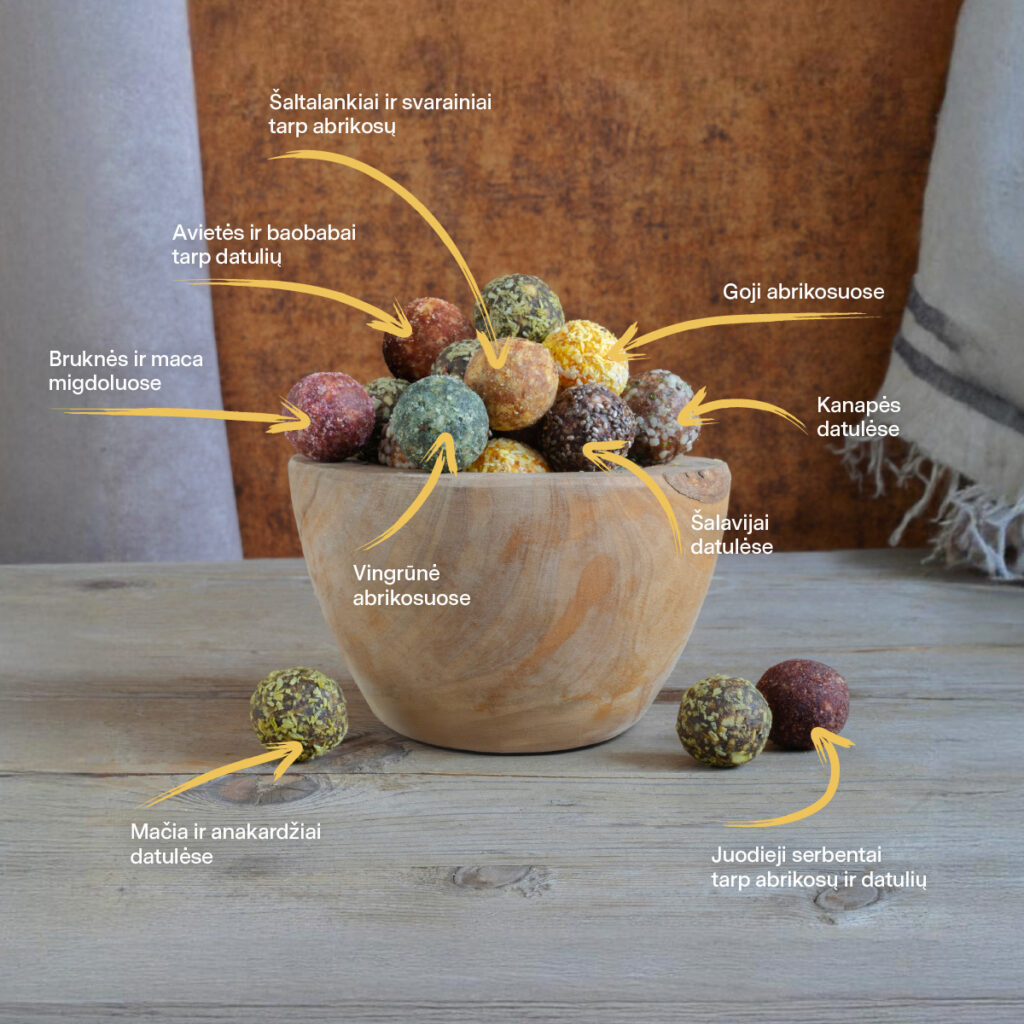
Plant-based options work very well when their ingredients provide this combination. Sotukai, for example, combine nuts and seeds (protein, healthy fats and omega fatty acids), dried fruit (carbohydrates and electrolytes), berry powders (antioxidants and vitamin C), and spices such as turmeric and ginger — ingredients in which studies identify anti-inflammatory properties. They are not a sports product specifically positioned as sports nutrition — this is simply their composition, and it matches exactly what is needed after a workout.
Recovery is not about a single ingredient or a single rule: it is the combined effect of many small decisions. Knowing what the body needs after exertion is half the battle; the other half is having suitable, ready-to-eat foods to hand.