

Healthy snacks for teenagers is a topic often presented as advice for parents, yet one that rarely reaches teenagers themselves. But after school, the picture is often this: the brain has used up some of its reserves, the body is tired, and there is still training, homework or simply time with friends ahead. That one mouthful at this point can determine whether concentration lasts, or gives way to exhaustion and excessive screen time. Adolescence is a period when the brain is still developing actively, and the quality of the diet directly affects this process. This article offers science rather than a lecture, exploring why teenagers are particularly sensitive to food quality after school, and what that means in practice.
Healthy snacks and the teenage brain: a real connection
Adolescence is one of the most intensive periods of brain development in life. A review published in 2023, covering more than 200 studies on nutrition and cognitive health, identified a clear pattern. Eating healthier foods — fruit, vegetables, wholegrains and fish — is positively associated with better executive functions: planning, attention control and working memory. The reverse relationship is just as real. Unhealthy snacks, sugary drinks and an abundance of processed foods are associated with poorer concentration and cognitive performance.
A 2022 study examined the diets and academic results of almost 10,000 younger schoolchildren. It found that high blood sugar after meals negatively affects attention and memory processes in children and teenagers. A fatty, sugary snack straight after school gives a quick energy boost. This is followed by an equally rapid slump: irritability, difficulty concentrating and reluctance to do anything requiring effort.
Healthy snacks for teenagers: what to avoid, and why
Most teenagers know that crisps and chocolate bars are not ideal choices, but knowledge and behaviour often differ. A survey of a representative sample of teenagers found that on average, teenagers eat around 4 snacks a day. A significant proportion are energy-dense but nutrient-poor products: sugary drinks, crisps and baked goods. Over a day, this eating pattern adds around 25% of total daily calories, but proportionately far less nutritional value.
The important message here is practical rather than moralising: if the easiest things to reach at home after school are a bottle of sugary drink and a bag of crisps, that is what a teenager will take. Availability matters at every age, but especially for teenagers, because the self-control mechanisms in the prefrontal cortex are still developing.
What really sustains energy without a slump?
The formula for a good afternoon snack for a teenager is not very different from that for an adult. Nuts, dried berries and fruit, and plant-based balls containing fibre and protein all keep blood glucose steady, without sharp rises and falls. Soluble fibre slows carbohydrate absorption, while protein encourages the release of satiety hormones.
A 2023 study on snack quality and cardiometabolic health identified an important difference. High-quality snacks — minimally processed, fibre-containing foods such as nuts, seeds and fresh berries — help control the glucose response and suppress hunger more effectively than processed alternatives. A teenager whose energy stays stable after school does more than feel better. They will get through homework sooner and be less likely to reach for compensatory sweet treats in the evening.
A teenager who learns to read the ingredients list acquires a skill for life.
A snack you can take with you to refuel
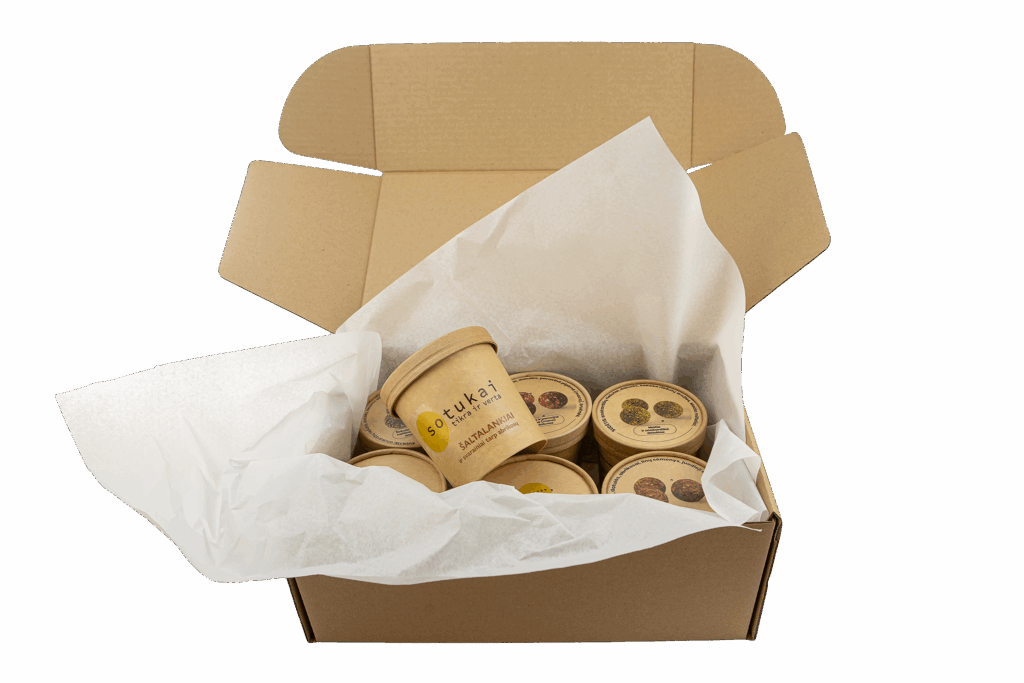
Healthy snacks for teenagers need one more practical quality: convenience. No one wants to stand at the cooker after eight hours at school. Sotukai plant-based balls are a compact, mess-free, easily portable option that meets the same nutritional criteria discussed by science. Blackcurrants with apricots and dates are a source of antioxidants with a natural balance of sweetness and tartness that does not become tiresome in the way overly sweet chocolate does. Lingonberries and maca in almonds are an energising combination with plant protein and maca powder, traditionally used as an adaptogenic plant to support vitality. Spirulina with apricots is the mildest, fruitiest option, suitable for those who do not yet want more intense flavours.
All these varieties contain no added sugar or gluten, and the ingredients listed on the pack match what is inside. A teenager who learns to read an ingredients list acquires a skill for life. It helps not only after school, but also in shops, when travelling and at any other time.
Habits take shape now, and last
Healthy snacks for teenagers matter for more than today’s concentration levels. Research suggests that eating habits formed during adolescence have a long-term effect on choices in adulthood. Not just choices, but also what feels normal in terms of taste and habit. This does not mean striving for perfection or banning chocolate. It means that the snacks available at home, and what a teenager sees and tastes every day, predict future choices. Adolescence is when people start making their own choices. The environment in which those choices happen is one of the most important factors in determining their direction.