
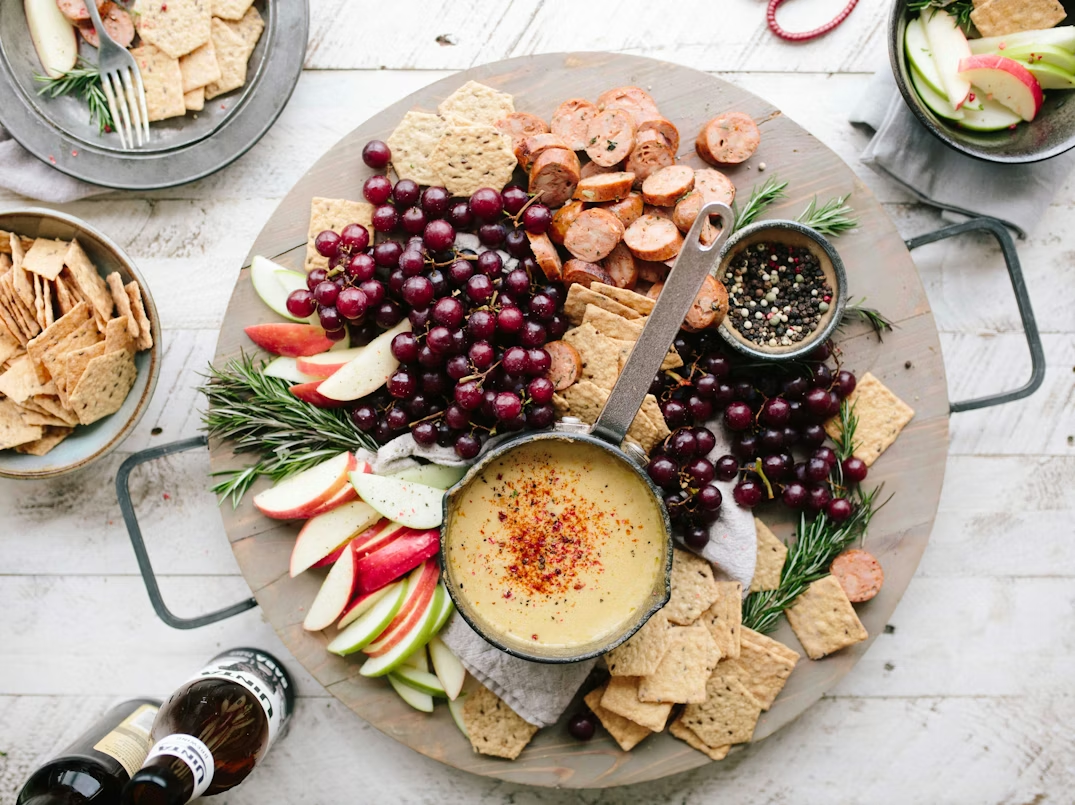
Snacking is one of the areas of nutrition in which people make the most decisions each day — and the most mistakes. Not because we do not want to eat more healthily. The environment in which we make those decisions simply is not neutral: shelves are full of products with cleverly worded labels, nutrition myths persist, and hunger usually strikes when we have neither the time nor the mental resources to think logically. Mistakes therefore happen much more often.
The idea of a healthy snack seems simple, but putting it into practice is difficult not because of a lack of willpower, but because of a few specific mistakes that happen again and again. Once you recognise them, it becomes clear that better snacking is not complicated — you just need to know where the pitfalls lie.
Mistake one: trusting the packaging label blindly
Words such as “natural”, “no added sugar” and “superfood” sound convincing on packaging. Yet the FDA has no official definition of the word “natural”, meaning any manufacturer can use it, regardless of what is inside. Researchers have observed that this kind of labelling serves a marketing purpose more often than an informative one — a product bearing this word may cost more while being no different from the one beside it.
The simplest rule recommended by nutrition specialists is this: the front of a pack is marketing space. The real information about a product’s value is in the ingredients list — and the shorter and clearer that list, the better.
Mistake two: judging healthiness by calories rather than nutritional value
Rice crisps, corn puffs and packaged juice may seem like “innocent” choices. Harvard’s The Nutrition Source emphasises that the real question is not how many calories they contain, but which nutrients those calories provide — and whether they really help keep you feeling full.
Food without protein, healthy fats or fibre will satisfy you only briefly, regardless of its calorie content. MedlinePlus states that a combination of protein and carbohydrates provides the longest-lasting feeling of fullness — an apple with nut butter will keep you satisfied much longer than an apple alone. This principle applies to every snack.
Mistake three: assuming “healthy” sugars are harmless
Agave nectar, coconut sugar, honey and date syrup are all marketed as natural alternatives to refined sugar. Although some contain slightly more minerals or have a lower glycaemic index, the practical difference is smaller than people often think.
The crucial detail is that syrups and extracts no longer contain the original fruit’s fibre, which affects how quickly sugar enters the bloodstream. In fresh fruit, that same sugar comes with fibre and water — and this combination moderates the rise in glucose. When fruit is pressed into a syrup or extract, the fibre is removed, leaving only sugar. The body then absorbs it quickly, just as it does refined sugar. In other words, date syrup and a date may seem similar in taste, but to the body they are very different.
Mistake four: not controlling portions because the food is “healthy”
Nuts, avocado and houmous are valuable choices that nobody is suggesting you avoid. However, specialists point out that portion control is generally worse with healthy food than with obviously unhealthy food — because psychologically, we allow ourselves to eat more when a food is considered “natural”. A bag of nuts can quickly become half-empty without us even noticing.
The simplest solution is not to eat straight from the pack. Put a portion into a separate container. It is a small step, but it changes the situation considerably.
Mistake five: a good plan with no way to put it into practice
The Tufts University nutrition newsletter states that healthy snacking is founded on environment and planning, rather than willpower. People generally do not make their best food choices when they are hungriest: falling blood glucose levels instinctively push us towards whatever is easiest to reach. If all that is nearby is a vending machine or a colleague’s biscuits, the right choice remains purely theoretical.
The solution is simple: a suitable snack needs to be within reach before hunger arrives. In a drawer, in a bag or on the table. This is where it is worth mentioning Sotukai — Lithuanian plant-based snack balls with no added sugar, milk or gluten, already combining protein, healthy fats and fibre. They can also be kept without refrigeration for up to two weeks, making them one of the few truly nutritious snacks that can realistically be close at hand anywhere, at any time.
Mistake six: forgetting what we drink
Sometimes hunger is not hunger at all — it is thirst. Even when we really do want a snack, drinks can undermine the best choice. Sweetened coffee, fruit juice or an energy drink alongside nuts or fruit adds up to a quantity of sugar nobody has consciously counted. Nutrition specialists remind us that the reasoning behind a healthy snack starts to fall apart when sugary drinks are paired with it without thought.
Water or unsweetened herbal tea are neutral companions that do not undo what you are trying to achieve.
All these mistakes have one thing in common: they arise not from indifference, but from an unhelpful environment and misleading information. Healthy snacking does not require perfection — it requires a few good decisions made in advance. Sotukai are a good example: their ingredients answer the question of nutritional value, their natural ingredients avoid the pitfalls of labelling, and a clearly defined, single-mouthful portion and long shelf life without refrigeration mean there is no need to plan or improvise.
Find out more about Sotukai at sotukai.lt.