

Today’s food labels can be very persuasive. ‘Sugar-free’, ‘no added sugar’, ‘natural sweetness’ and ‘reduced sugar’ all sound similar, yet mean completely different things. This is no minor detail: for someone consciously monitoring sugar in their diet, the distinction can determine whether a product is suitable for them at all.
You do not need a qualification in food chemistry to understand these differences: a few basic principles of food labelling are enough. Once you know them, shopping becomes much simpler.
What ‘sugar-free’ means
The meaning of the claim ‘sugar-free’ is regulated in the European Union: a product may bear it only if it contains no more than 0.5 grams of sugar per 100 grams or 100 millilitres. This is a very small amount, essentially meaning that the product contains almost no sugar, whether naturally occurring or added.
But here lies the first misunderstanding: ‘sugar-free’ does not mean ‘not sweet’. Many such products are sweetened with artificial sweeteners such as sucralose, acesulfame K or aspartame. They provide a sweet taste but are technically not sugar, so the label remains accurate. Whether this is better than ordinary sugar is a separate question that specialists are still debating. However, shoppers expecting a product that is not sweet may be surprised when they taste it.
What ‘no added sugar’ means
‘No added sugar’ is a different category. This claim means that, during production, no additional sugar or other sweeteners were added : no white sugar, honey, agave syrup or concentrated fruit juice, which is also considered added sugar under EU law.
However, this does not mean that the product contains no sugar at all. If it is made from dates, raisins, bananas or other naturally sweet ingredients, it may contain a considerable amount of sugar, but all of it comes from the ingredient itself, rather than being added separately. Anyone avoiding sugar for health reasons should therefore read a ‘no added sugar’ label carefully: the sugar content in the nutritional information says more than any claim on the front of the pack.
Where confusion is most likely
Energy bars, fruit snacks and natural sweet treats are the category where confusion arises most often. A product made from dried dates, apricots and figs may contain 40–50 grams of sugar per 100 grams, yet confidently say ‘no added sugar’ on its pack without lying. Sugar really has not been added: it was already in the fruit.
This is not deception: it is how the labelling rules work. Understanding this makes it easier to distinguish products that are genuinely low in sugar from those that merely look healthier than they are. The rule is simple: claims on the front of a pack are part of the marketing. The real information is in the nutrition table on the side or underneath.
How to read the nutrition table
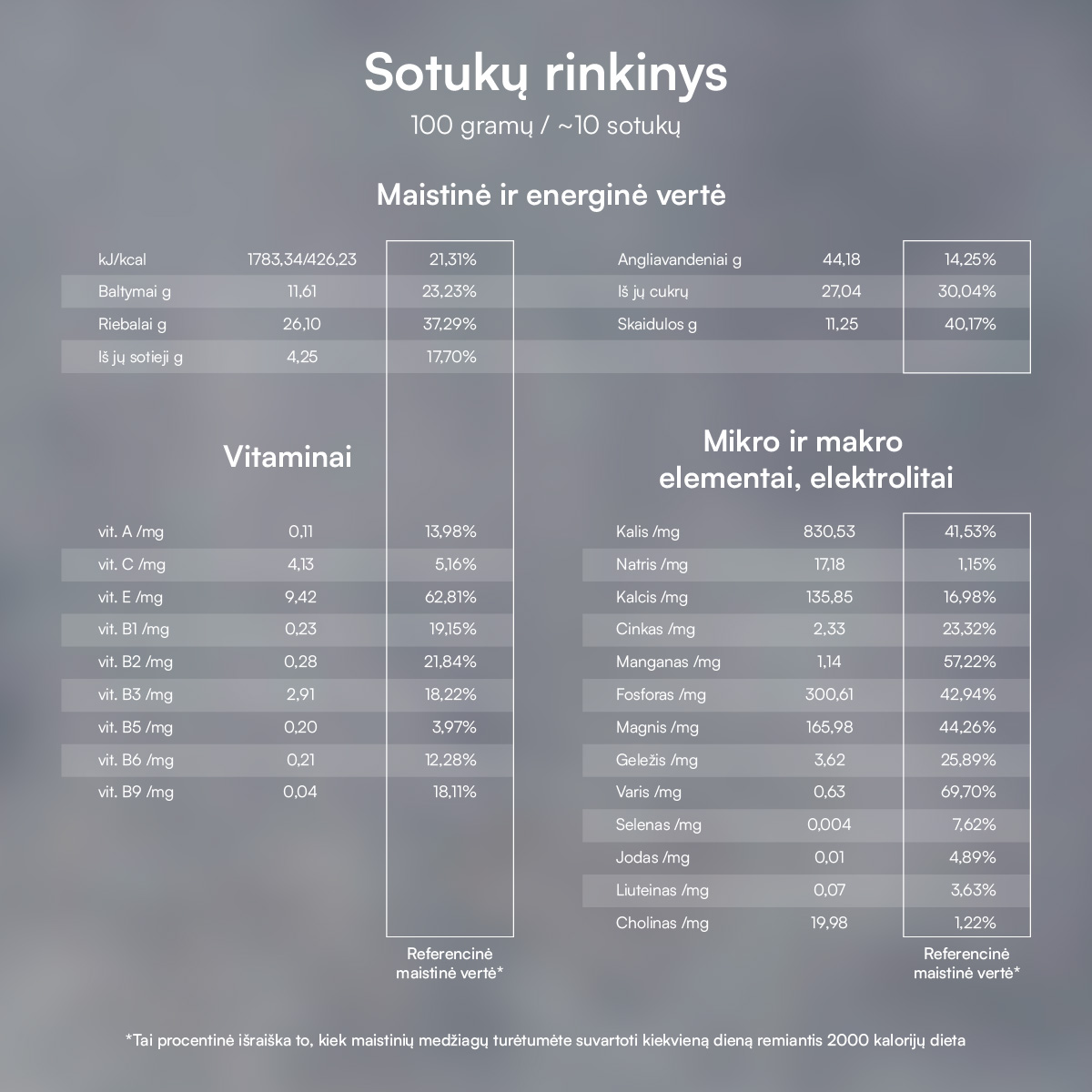
In the nutrition table, sugar appears under ‘of which sugars’, below total carbohydrates. This figure includes both naturally occurring and added sugars: the table does not distinguish them. The only way to tell whether sugar comes from natural ingredients or has been added separately is therefore to read the ingredients list. If you see sugar, glucose syrup, fructose, maltodextrin or similar names, that is added sugar, whatever the front of the pack claims.
Ingredients are always listed in descending order by quantity. So if sugar is among the first three ingredients, the product definitely contains a lot of it. If it does not appear on the list at all, or is near the end, the situation is different.
Natural sweetness: when is it genuinely natural?
Natural sweetness from fruit, berries or dates is not the same as refined sugar, although chemically both consist of fructose and glucose. The difference is the context. In dried fruit, sugar comes with fibre, vitamins and minerals, which slow its absorption and provide additional nutritional value. Refined sugar contains none of these: just pure calories.
Products whose sweetness comes from natural fruit and berries without any additional sweeteners are therefore genuinely different in quality from those with added sugar. However, this does not mean you can eat unlimited amounts, especially when the sources of naturally occurring sugar are highly concentrated, such as dried dates or fruit syrups.
Sotukai are a good practical example of this principle. Their sweetness comes exclusively from fruit and berries: dates, lingonberries, raspberries, sea buckthorn and other natural ingredients. The sweetness is natural, and this is verified not just by the label claim but by the ingredients list, where sugar simply does not appear. Together with fibre from nuts and seeds, the natural sweetness is absorbed more slowly, which in practice means that the feeling of fullness lasts longer and blood sugar does not rise as sharply as it does after a sweet.
What to look for when shopping
When a pack promises ‘sugar-free’, check whether artificial sweeteners have been used instead. When it promises ‘no added sugar’, look at the total sugar content in the nutrition table and at the ingredients list. When a product claims its sweetness is natural, check exactly where that sweetness comes from and whether it also contains fibre to slow its absorption.
Reading a label does not take long: you just need to know what to look for. Once it becomes a habit, ‘sugar-free’ and ‘no added sugar’ stop sounding like synonyms.